
China holidays |
Search Site
|
 Book China Tours020 7487 2999sales@chinaholidays.co.uk |
Pingyao Tours, China

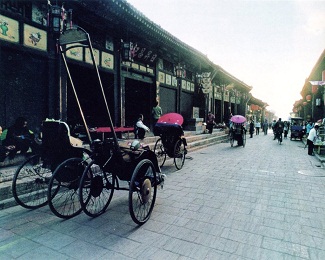
 "Admire old-fashioned teahouses, shops selling
salt and silk, noodle restaurants and
China's first bank"
"Admire old-fashioned teahouses, shops selling
salt and silk, noodle restaurants and
China's first bank"
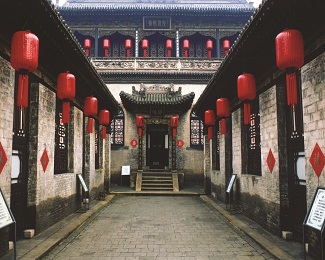
Pingyao Tours
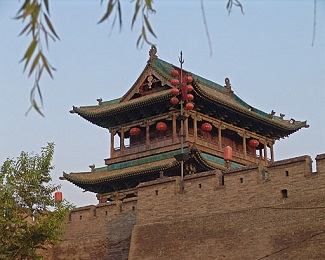
Pingyao is situated in North China’s Shanxi Province. It lies about 715km from Beijing and 100km from the provincial capital, Taiyuan. During the Qing Dynasty, Pingyao was a financial center of China as it was situated midway between the two biggest cities and merchants would travel between them and stop at Pingyao. It is now renowned for its well-preserved ancient City Wall.
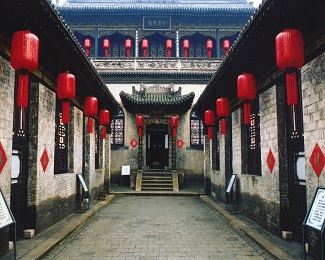
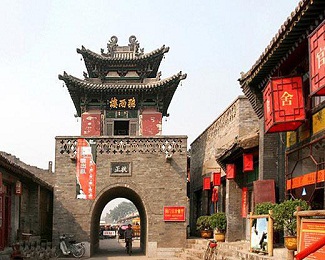
Pingyao still retains its city layout from the Ming and Qing dynasties, conforming to a typical Bagua pattern. More than 300 sites in or near the city have ancient ruins. Preserved Ming- and Qing-style residences number close to 4,000. The streets and storefronts still largely retain their historical appearance.

Pearls of Shanxi Province
13 days - Beijing, Datong, Wutaishan, Tiyuan, Pingyao, Changzhi, Luoyang and Beijing from £2195.
Heritage China
Image Gallery Pingyao
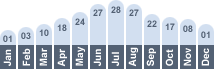
Weather in Pingyao
Want More Information About China Holidays ?
Brochure Request
Call Us

If you would like us to help you create the perfect China Holiday then please call us on:
020 7487 2999 |
|
 |
 |
|
 |
4 Glentworth Street London - NW1 5PG |
英国旅游地接服务请点击
Enquiry Form
Popular China Tours |
Featured Articles |
Other Information |
|
|
||
