
China holidays |
Search Site
|
 Book China Tours020 7487 2999sales@chinaholidays.co.uk |
Harbin Tours, China

 "Discover why Harbin was once known as 'little Russia'"
Definitely worth a visit during the month-long Snow and Ice Festivals

Harbin Tours
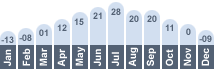
Harbin is the capital city of the Heilongjiang Province which is the most north-easterly part of China and borders Russia. During the long cold winter months the temperature can drop down to as low as minus 14°C. The Harbin Ice festival runs from the middle of December through to the end of January. It is a great winter festival and if you are in China during this period, it really should not be missed.
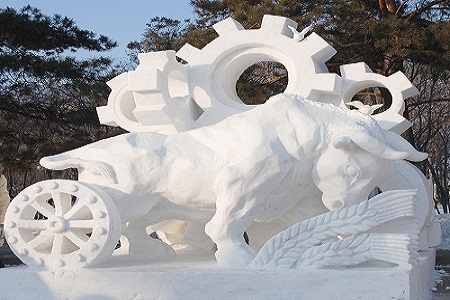
Ice and Snow Festival in Harbin 2020
8 day tour to Beijing and to the Ice and Snow Festival in Harbin with China Holidays from £1745.
Image Gallery Harbin


Weather in Harbin
Want More Information About China Holidays ?
Brochure Request
Call Us

If you would like us to help you create the perfect China Holiday then please call us on:
020 7487 2999 |
|
 |
 |
|
 |
4 Glentworth Street London - NW1 5PG |
英国旅游地接服务请点击
Enquiry Form
Popular China Tours |
Featured Articles |
Other Information |
|
|
||
